Welcome to the new NDMU website!

We’re continuing to fine-tune the experience following launch. If you notice any missing content, broken links, please click here.
Thank you for helping us ensure the new website provides the best possible experience.

School of Pharmacy & Health Professions

Doctor of Pharmacy

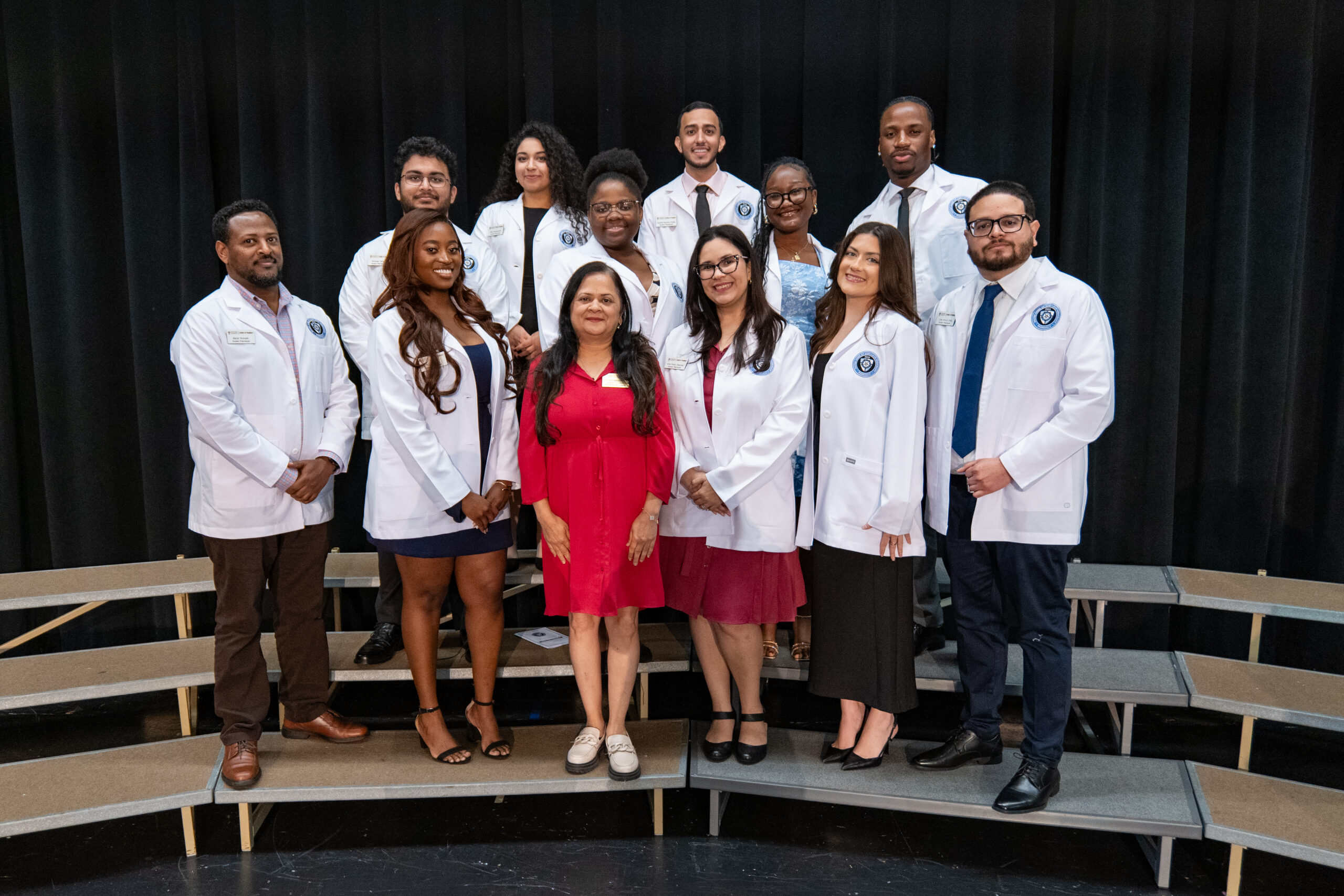
The Doctor of Pharmacy program at Notre Dame of Maryland University prepares students to lead in an evolving pharmacy profession through a strong foundation in science, practice, and leadership. Dynamic coursework and meaningful community outreach experiences develop the scientific, practical, and human aspects of patient care, while clinical rotations at world‑class healthcare institutions provide valuable hands‑on training. Together, these experiences equip graduates with the knowledge, confidence, and compassion to excel in modern pharmacy practice.

overview

SchoolSchool of Pharmacy & Health Professions
TypeDoctorate
FormatIn-Person
Credits144.5-149.5
LevelGraduate & Professional Studies

The Doctor of Pharmacy (Pharm.D.) program at Notre Dame of Maryland University prepares students to lead in a rapidly evolving healthcare field with confidence, knowledge, and purpose. Through a rigorous, hands‑on curriculum and small class sizes, students build a strong foundation in pharmaceutical science, patient care, and leadership while benefiting from personalized support from expert faculty across clinical, administrative, and research disciplines. Experiential learning is a cornerstone of the program, with clinical rotations at world‑class institutions such as The Johns Hopkins Hospital, the FDA, and the NIH.

Innovation, collaboration, and real‑world application define the Pharm.D. experience at NDMU. Students learn in state‑of‑the‑art facilities, engage in research alongside faculty, and participate in community outreach and partnerships with organizations like Safeway and CVS. Supported by an individualized student success program and a diverse, welcoming community, graduates are prepared to make a meaningful impact in pharmacy practice across clinical care, research, and industry.

Faculty

a curriculum built for what's next

Pathway

NDMU school of Pharmacy reserves the right to revise the curriculum at any time when deemed necessary and to apply such revisions to registered and accepted students, and to new admissions.

Fall Semester (17 credits)

  • PHRD 315: Leadership & Pharmacy Practice (2)
  • PHRD 301: Pharmaceutical Calculations (2)
  • PHRD 303: Pharmaceutics I & Lab (4)
  • PHRD 304: Pharmacist Care Lab I (2)
  • PHRD 305: Biochemistry (4)
  • PHRD 307: Applied Biomedical Sciences Workshop (3)
  • PHRD 800: Career Development E-portfolio (0.5)

Total Credits: 17

Spring Semester (19 credits)

  • PHRD 306: Pharmacist Care Lab II (2)
  • PHRD 309: Immunology (3)
  • PHRD 310: Care of Diverse Populations (3)
  • PHRD 311: Pharmaceutics II & Lab (4)
  • PHRD 312: Pharmacy Practice Management (3)
  • PHRD 313: Pharmacotherapeutics I: Principles of Medicinal Chemistry & Pharmacology* (2)
  • PHRD 314: Pharmacotherapeutics II: Principles of Pharmacotherapeutics (2)
  • PHRD 800: Career Development E-Portfolio (0.5)

Total Credits: 19.5

*All Pharmacotherapeutics courses are taught sequentially within a semester

Fall Semester (18.5-20.5 credits)

  • PHRD 400: Biopharmaceutics & Clinical Pharmacokinetics (3)
  • PHRD 401: Clinical Research Design (3)
  • PHRD 404: Pharmacist Care Lab III (1)
  • PHRD 412: Introductory Pharmacy Practice Experiences II (3)
  • PHRD 416: Pharmacotherapeutics III: Self-Care & Dermatology (3)
  • PHRD 417: Pharmacotherapeutics IV: Infectious Diseases (4)
  • PHRD 800: Career Development E-portfolio (0.5)
  • Professional Elective*** (1-3)

Total Credits: 18.5 – 20.5

Spring Semester (17 credits)**

  • PHRD 405: Women’s Health Issues (2)
  • PHRD 406: Pharmacist Care Lab IV (1)
  • PHRD 408: Pharmacy Law & Ethics (3)
  • PHRD 410: Introductory Pharmacy Practice Experiences I (3)
  • PHRD 418: Pharmacotherapeutics V: Gastrointestinal Disorders (2)
  • PHRD 420: Pharmacotherapeutics VI: Immunologic, Hematologic, Rheumatologic, & Neoplastic Disorders (4)
  • PHRD 421: Pharmacotheraputics VII: Pulmonary Disorders (2)

Total Credits: 17

**Students take PHRD 412 Health System Introductory Pharmacy Practice Experience in either P-2 Spring or P-3 Fall. For the semester that the you are not taking PHRD 412, subtract 3 credits from the total semester credits indicated on the chart.

***Students are required to complete a minimum of 6 to 8 hours of professional electives for graduation, which must be accomplished over a minimum of three (3) courses.

Fall Semester (20-21 credits)**

  • PHRD 410: Introductory Pharmacy Practice Experiences I (3)
  • PHRD 504: Pharmacists Care Lab V (1)
  • PHRD 505: Human Resources Management (3)
  • PHRD 507: Public Health (3)
  • PHRD 510: Longitudinal Care I (1)
  • PHRD 514: Pharmacotheraputics VIII: Cardiovascular Disorders (4)
  • PHRD 515: Pharmacotheraputics IX: Renal Disorders (2)
  • PHRD 516: Pharmacotheraputics X: Endocrine Disorders & Women’s Health (2)
  • Professional Elective*** (1-2)

Total Credits: 20 – 21

Spring Semester (15.5-17.5 credits)

  • PHRD 506: Pharmacists Care Lab VI (1)
  • PHRD 508: Complementary Medicine & Human Nutrition (3)
  • PHRD 509: Evidence Based Medicine (2)
  • PHRD 518: Pharmacotherapeutics XII: Central Nervous System Disorders (4)
  • PHRD 519: Advanced Pharmacotherapeutics (4)
  • PHRD 800: Career Development E-portfolio (0.5)
    Professional Elective*** (1-3)

Total Credits: 15.5 – 17.5

**Students take PHRD 412 Health System Introductory Pharmacy Practice Experience in either P-2 Spring or P-3 Fall. For the semester that the you are not taking PHRD 412, subtract 3 credits from the total semester credits indicated on the chart.

***Students are required to complete a minimum of 6 to 8 hours of professional electives for graduation, which must be accomplished over a minimum of three (3) courses.

Summer/Fall/Spring (39.5 credits)****

  • PHRD 700: Advanced Pharmacy Practice Ambulatory Care (5)
  • PHRD 701: Advanced Pharmacy Practice Acute Care General Medicine (5)
  • PHRD 702: Advanced Health Systems Pharmacy Practice (5)
  • PHRD 703: Advanced Community Pharmacy Practice (5)
  • PHRD 704: Advanced Pharmacy Practice Elective I (5)
  • PHRD 705: Advanced Pharmacy Practice Elective II (5)
  • PHRD 706: Advanced Pharmacy Practice Elective III (5)
  • PHRD 707: Advanced Pharmacy Practice & Education Capstone (1)
  • PHRD 800: Career Development E-portfolio (0.5 each)
  • PHRD 710(Fall) NAPLEX Review I (0.5)
  • PHRD 711(Spring) NAPLEX Review II (2)

Total Program Credits: 144.5-149.5

****All APPE are five weeks in duration except PHRD 707.

Certificate in Leadership and Entrepreneurship

In addition to the Doctor of Pharmacy program, the School of Pharmacy offers a Certificate in Leadership and Entrepreneurship. The courses are built into the doctorate program with only two additional courses (marked with *) which can be used to satisfy elective requirements.

The Notre Dame of Maryland University School of Pharmacy has a Certificate in Leadership & Entrepreneurship designed for Doctor of Pharmacy students with a special interest in innovative leadership within the healthcare landscape. Rooted in accreditation requirements from the Accreditation Council for Pharmacy Education (ACPE), the certificate aligns with the profession’s growing need for pharmacists who can lead, innovate, and adapt in complex healthcare systems. The program includes five courses—three existing required courses and two new electives—focusing on management, leadership development, finance, and entrepreneurial thinking. Building upon concepts such as the Lean Start-Up model, the program embraces a broader view of entrepreneurship beyond owning an independent pharmacy. The 14-credit certificate will be completed by the end of the third professional year at no additional cost and will be noted upon graduation, preparing students to contribute meaningfully to healthcare innovation and enterprise.

Contact Us:

Norah Moturi
Director of Admissions
410-532-5597
nmoturi@ndm.edu

Courses

PHRD 312 – Pharmacy Practice Management (3)
PHRD 505 – Human Resource Management (3)
PHRD 315 – Leadership & Pharmacy Practice (2)
PHRD 626 – *Fundamentals of Financial Management (3)
PHRD 627 – *Entrepreneurship (3)

Total Credits: 14

Apply Today for the Doctor of Pharmacy!

Admissions Information

We look for applicants with the academic and professional promise necessary to become outstanding members of the pharmacy profession.

The application process includes:

The School of Pharmacy and Health Professions will consider for admission those applicants who display the academic and professional promise necessary to become outstanding members of the pharmacy profession. The admissions process is highly selective.

All applicants must complete the application process:

PharmCAS Application: June 1, 2027

PharmCAS must receive the application, fee and all transcripts by this deadline. PharmCAS will move applicants to the regular admission category if all materials and fees are not received by the deadline.


For applicants seeking regular admission for Fall submit the PharmCAS application by the deadline above. Selected applicants will be invited to attend an on-campus or remote interview.

Evaluation of completed applications will begin in September and continue until all seats in the class are filled for regular admission.

This initial evaluation will determine which applicants are eligible for an on-campus or remote interview; a final evaluation will determine which applicants are eligible for acceptance.

Given the competitive admissions environment, multiple criteria are used to select the most qualified candidates. Grade point averages, letters of reference, professional preparedness and motivation, personal qualities, communication skills, ability to be a team player and decision-making will all be considered when reviewing an applicant’s file.

  1. Have completed or be in the process of completing 52 semester hours, prerequisite coursework from a regionally accredited U.S. University or College.
  2. International applicants must submit:
    • A TOEFL score and course-by-course evaluation obtained from one of the following evaluation services:
      • Education Credential Evaluators (ECE): 414-289-3400,
        http://www.ece.org
      • World Education Service (WES): 212-966-6311,
        http://www.wes.org
      • Josef Silny & Associates, Inc.: 305-273-1616,
        http://www.jsilny.com
    • Original foreign transcripts sent to PharmCAS by the PharmCAS deadline.
    • TOEFL waived for international applicants with a BS in Pharmacy.
  3. All pre-pharmacy coursework requirements must be completed by the end of summer session II prior to matriculation to the School of Pharmacy.
  4. Preferably, earn a cumulative grade point average and science grade point average of 2.50 or better on a 4.00 scale. PharmCAS calculates the overall and science grade point average. Grades from all non-remedial courses completed post-high school are used to calculate the grade point average.
  5. Possess a people/service orientation, as demonstrated through community service or extracurricular activities.
  6. Possess the proper motivation for and commitment to the pharmacy profession as demonstrated by previous work, volunteer, or other life experiences.
  7. Possess the oral and written communication skills necessary to interact with patients and colleagues.
  8. Complete the School of Pharmacy’s on-campus interview process (by invitation only).
  9. Pass the School of Pharmacy criminal background check.
  10. Abide by Notre Dame of Maryland University Substance Abuse Policy.

Note: PCAT is no longer required or considered for admission.

Course Semester Credit Hours
English 6
Speech/Public Speaking 3
Calculus 3
Statistics 3
General Chemistry with Lab 8
Organic Chemistry with Lab 8
General Biology with Lab 8
Microbiology with Lab 4
Anatomy & Physiology 6
Physics 3
Total 52

The applicant must submit a completed PharmCAS application and meet the PharmCAS application deadline.

For all Pharmacy Application Deadlines please refer to the summary of deadlines located here.

Notification of Acceptance

Applications to the School of Pharmacy are processed and reviewed during regular intervals in the admissions cycle until the class is filled.

Admission Deferments

An applicant who has been accepted for a given year must matriculate during that year. No admission deferments are allowed. If a student fails to matriculate, the student must reapply the following year if he/she wishes to be admitted to the School.

Reapplication Process

Applicants who are denied admission may re-apply to the School the following academic year. It is strongly recommended that applicants seek guidance from the office of admissions for strengthening their application.
If an applicant wishes to re-apply, a new application must be submitted to PharmCAS and the application will be processed in the same manner as any other application.

Transfer Admission

The School of Pharmacy may accept transfer students from other ACPE-accredited pharmacy schools or colleges as long as these students are in good academic and disciplinary standing and have legitimate reasons for seeking a transfer.

All requests for transfer information should be referred to the office of admissions so that the potential transfer applicant can be counseled prior to submitting an application. To be considered for transfer, a student must meet the School of Pharmacy’s general requirements for admission.

Documents to Submit by April 1st

  1. A letter to the director of admissions indicating why he/she wishes to transfer and explaining any difficulties encountered at his/her current institution;
  2. A completed School of Pharmacy transfer application;
  3. Official transcripts from all schools attended—undergraduate, graduate, and professional;
  4. A catalog and a detailed pharmacy syllabus for any courses for which advanced standing consideration is requested;
  5. A letter from the dean of the college of pharmacy in which the student is enrolled. The letter must indicate the student’s current academic and disciplinary status and/or terms of withdrawal/dismissal;
  6. One letter of recommendation from a faculty member at the current college of pharmacy;
  7. Additional documents or letters of recommendation as determined necessary by the director of admissions or dean of the School of Pharmacy.

The Office of Admissions will collect and forward the student’s portfolio to the office of the dean, School of Pharmacy for review. If the review is positive, the dean or her designee will invite the transferring student for an interview.

Advanced Standing

If the transferring student is admitted and requests advanced standing, the dean’s office will forward the student’s request to the appropriate faculty. No advanced standing credit will be awarded for professional pharmacy coursework completed at a foreign college or school of pharmacy.

School of Pharmacy Application Process

International Student Application Deadlines

  • First-Year international undergraduate applicants must complete all application requirements by April 1 for the Fall semester. First-year international undergraduate students can only apply for the Fall semester.
  • Transfer international undergraduate applicants must complete all application requirements by the dates listed below:
    • Fall semester: April 1
    • Spring semester: November 1 (Transfers only)

International Student Application Requirements

IMPORTANT:
Your application will not be reviewed unless all the steps below are completed by the dates specified above.

  • Use the Common Application.
  • If English is not your native language, submit the official results/scores from one of the following proficiency tests. These testing scores must come directly from testing site to Processing@ndm.edu
    • TOEFL iBT score of 80 or greater
    • IELTS score of 6.5 or greater
    • DUOLINGO score of 110 or greater: https://englishtest.duolingo.com/applicants
    • SAT Evidence-Based Reading and Writing score of 500 or greater (REQUIRED for all first-year applicants interested in Nursing)
    • Proof of successful completion of an English composition course at a U.S.-accredited college or university (transfer students only)
  •  Submit an original, personal essay (500 words). Choose from one of the following prompts:
    • Describe your hometown;
    • Describe your educational experiences;
    • Describe how a favorite teacher, counselor, or coach had a positive impact on you;
    • Tell us about an extra-curricular activity that you listed on your application.
  •  Submit a course-by-course evaluation of transcripts for all high schools (please send grades with the coursework for the last four years of high school) and universities abroad performed by a NACES member provider. For evaluation services, view our transcript evaluation portal.

Requirements for F-1 Student I-20 Processing

Upon acceptance to the university, international students must prove eligibility for maintaining visa status while enrolled. Students who plan to obtain an F-1 Visa must complete a Form I-20 upon confirmation of the following criteria:

Federal and state financial aid is not available to international students. However, limited institutional scholarships are available as well as external scholarships and private/alternative student loans.

IMPORTANT:
Once enrolled, undergraduate students in the United States on an F-1 visa must remain a full-time student by taking a minimum of 12 credits per semester each year.

International Undergraduate Student Cost Guide

All prices are in U.S. dollars. Please contact the business office for more information on tuition and fees.

Current Tuition & Fees

Important Additional Costs

Students must be able to meet the following costs as they apply to their particular situation:

  • Tuition and Board for the January Winterim term (if staying on campus)
  • Textbooks (estimated cost per semester $500)

Plan ahead for these potential expenses:

  • Additional room and board for summer (if staying on campus)
  • Tuition, fees and books during summer session
  • Travel expenses from your home country to the U.S.
  • Travel expenses during vacation periods
  • Medical expenses not covered by health insurance
  • Cell phone/data plan
  • Off-campus transportation
  • Other personal expenses

Pharmacy Programs Scholarships

  1. Notre Dame of Maryland University is proud to offer the Maryland Pharmacy Grant to help make a quality professional pharmacy education more accessible to Maryland residents. The grant is automatically applied to the financial aid package of students offered admission to the NDMU Doctor of Pharmacy program who meet the criteria below.
  2. New students to the School of Pharmacy
  3. Must be residents of Maryland
  4. $15,000 per year

NOTE: THE GRANT MAY NOT BE COMBINED WITH ANY OTHER INSTITUTIONAL SCHOLARSHIP.

This scholarship ranges from $5,000 to $15,000 per year and is awarded to students who have excelled academically and who have demonstrated through their extracurricular activities the potential to be an outstanding pharmacist.

This $20,000 four-year ($5,000 per year) admission scholarship is awarded to students who have excelled academically and who have demonstrated written and verbal proficiency in English and at least one other language.

Eligibility Requirements

  • Cumulative grade point average of 2.90 or better
  • Exhibit the potential for leadership
  • Meet all criteria for admission
  • Verify written and verbal aptitude in a second language other than English
  • Maintain a 3.00 GPA at the end of each semester while in attendance at the School of Pharmacy

Students must be prepared to validate bilingual competency prior to or during the School of Pharmacy interview to be considered for this Scholarship.

AACP invites our members to also share this newsletter with your network of prospective students. Pharm4Me and PharmCAS social media will also soon promote this new resource. The sign-up will live on the pharmacyforme.org website and anyone is welcome to subscribe.

The Anne Kessler Scholarship is a one-time $5000 scholarship awarded on admission to the PharmD. program based on academics and needs of the incoming student.

application process

1

Application

Submit your application via PharmCAS.

2

Transcripts

Submit your official transcripts.

Instructions

3

Required Materials

Submit required materials on PharmCAS:

  • Two or more letters of recommendation
  • Personal statement

Stories

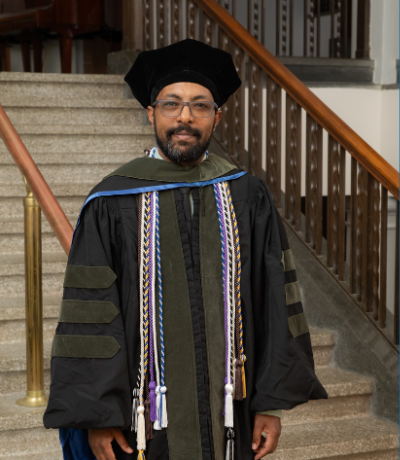
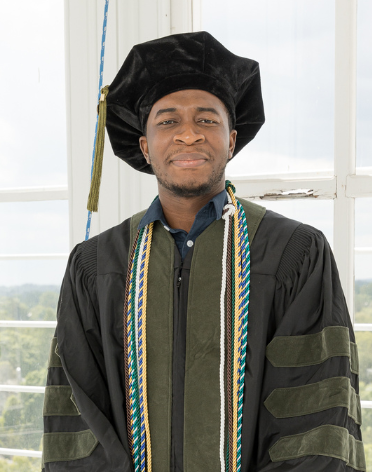
Growing up as the eldest son in Ethiopia, the journey for Getachew Tariku, Pharm.D.’26 to earn a Doctor of Pharmacy was shaped by a family of educators who emphasized the power of learning.

Whether in clinical practice or research, Tariku’s goal remains the same—to contribute to advancing healthcare and improving patient outcomes. Grounded in his experiences and driven by purpose, he is committed to using his degree not only as a professional achievement, but as a tool to make a lasting impact.

Read More

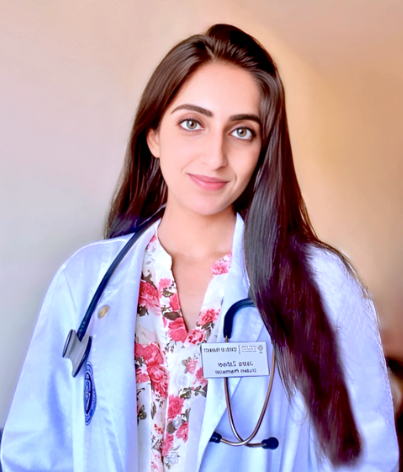
Notre Dame of Maryland University’s (NDMU) Doctor of Pharmacy candidate, Jasra Noor Zaheer D’26, doesn’t intend to wait decades for pharmacy ownership, it is a vision she is already pursuing.

Drawing inspiration from her family’s entrepreneurial spirit, Zaheer has embraced leadership and mentorship opportunities that have positioned her at the forefront of a new generation of pharmacy professionals eager to take ownership, both literally and figuratively, of their futures.

Read More

I absolutely loved my time at NDMU Pharmacy and Clarkson University. ‘A ship in harbor is safe, but that’s not what ships are built for’ – you can do anything you put your mind to so do not be afraid to enroll in the dual degree program!

Read More

Throughout his time at NDMU, John found guidance and encouragement from faculty members who believed in him. During his first year, he struggled to understand a cardiac unit before a major exam. In a moment of desperation, he emailed Dr. James Culhane at 5pm, begging for just 30 minutes of help. “Dr. Culhane replied immediately and told me to come to his office,” John remembered. “Thanks to him, I got a 92% on that test.” He also praised Dr. Mohammed for going above and beyond to ensure students understood the material. “That’s what being a teacher is, and I really, really appreciate him for that.”

Read More

Accreditation

The School of Pharmacy achieved full accreditation in June 2013 upon graduation of its inaugural class. Notre Dame of Maryland University School of Pharmacy’s Doctor of Pharmacy program is accredited by the Accreditation Council for Pharmacy Education, 135 South LaSalle Street, Suite 4100, Chicago, IL 60503, 312/664-3575; FAX 312/664-4652, web site www.acpe-accredit.org.

Notre Dame of Maryland University School of Pharmacy’s Doctor of Pharmacy program is accredited by:

Accreditation Council for Pharmacy Education
135 South LaSalle Street, Suite 4100
Chicago, IL 60503
Phone: 312-664-3575
Fax: 312-664-4652
acpe-accredit.org

Accreditation Status

Notre Dame of Maryland University School of Pharmacy’s Doctor of Pharmacy program is accredited by the Accreditation Council for Pharmacy Education, 135 South LaSalle Street, Suite 4100, Chicago, IL 60503, 312/664-3575; FAX 312/664-4652, web site www.acpe-accredit.org.


Technical Standards

The technical standards for admission &continued matriculation set forth by the School of Pharmacy outline the non-academic abilities considered essential for students to achieve the level of competence required by the faculty and by the ACPE, the pharmacy-accrediting agency, in order to obtain the Pharm.D. degree.

Notre Dame of Maryland University School of Pharmacy must evaluate not only the scholastic aptitude of each and every student, but also must consider students’ current ability to safely apply their knowledge and skills to effectively interact with patients and others in educational and healthcare settings.

Graduates of the School of Pharmacy are eligible to become pharmacists without restrictions on their practice; therefore, the curriculum requires students to successfully complete all components of the program. Depending on the circumstances, some reasonable accommodation may be possible and made available to students with disabilities in accordance with University policy, and state and federal laws. However, a student must be able to perform in a reasonably independent manner. Upon request of the student, the University will make good faith efforts in providing reasonable accommodation as required by law.

The School of Pharmacy engages in an interactive process with applicants and students with disabilities and complies with all state and federal laws regarding reasonable accommodation. The School of Pharmacy adheres to the highest ethical and professional standards of the pharmacy profession.

While the School of Pharmacy will attempt to identify ways of opening the curriculum to competitive, qualified disabled students, the School must maintain the integrity of its curriculum and preserve those elements deemed essential to educating a pharmacist. As such, the School of Pharmacy reserves the right deny admission or dismiss any student who, upon completion of the interactive process, is unable to meet these technical standards with reasonable accommodations and/or would be deemed to pose a threat to patients and others in the educational and healthcare environment.

The following technical standards, although not exhaustive, describe the basic-non academic qualifications required in addition to academic achievements, which the School of Pharmacy considers essential for admission and successful completion of the educational objectives of its curriculum.

A student must have abilities and skills in five areas:

1.    Observation
2.    Communication
3.    Motor
4.    Intellectual, conceptual, Integrative, and Quantitative
5.    Behavioral and Social

Technological compensation can be made for some limitation in certain of these areas, but a candidate should be able to perform in a reasonably independent manner.

Observation

The student must be able to accurately make observations at a distance and close at hand. Observation necessitates the functional use of the sense of vision and somatic sensation and is enhanced by the functional use of all of the other senses.

Communication

The student must be able to communicate effectively, efficiently and sensitively in both oral and written form and be able to perceive nonverbal communication. Students must be able to read, write, speak and comprehend English with sufficient mastery to accomplish didactic, clinical and laboratory curricular requirements in a timely, high-quality professional and accurate manner.

Sensory and Motor

Students must be able to coordinate both gross and fine muscular movements, maintain equilibrium and have functional use of the senses of touch and vision. The student must possess sufficient postural control, neuromuscular control and eye-to-hand coordination to perform profession-specific skills and tasks.

Intellectual, Conceptual, Integrative and Quantitative Abilities

The student must be able to problem solve, calculate, reason, analyze, record and synthesize large amounts of information in a timely manner. The student must be able to comprehend three-dimensional relationships and understand spatial relationships. Students must be able to learn in various conditions and environments including the classroom, laboratory, small groups, experiential settings and independent study.

Behavioral and Social Attributes

Students must demonstrate maturity, integrity, compassion and respect for others. The student must possess the emotional and mental health required for full utilization of his/her intellectual abilities, the exercise of good judgment and the consistent, prompt completion of all responsibilities and the development of mature, sensitive and effective relationships. The student must have the capability to recognize and show respect for differences in culture, values and ethics among people. Students must be able to tolerate physically, mentally and emotionally taxing workloads, function effectively under stress, and must display appropriate coping responses. The student must be able to adapt to changing environments, to display flexibility, and to learn to function in the face of uncertainties. Compassion, integrity, concern for others, effective interpersonal skills, willingness and ability to function as an effective team player, interest and motivation to learn are all personal qualities required during the educational process.

Diagnosed Psychiatric Disorders

An individual with a diagnosed psychiatric disorder may function as a pharmacy student as long as the condition is under sufficient control to allow accomplishment of the above goals with or without reasonable accommodation. He or she must exhibit behavior and intellectual functioning that does not differ from acceptable standards. In the event of deteriorating emotional function, it is essential that a pharmacy student be willing to acknowledge the disability and accept professional help before the condition poses danger to self, patient, and colleagues.

Candidate Acceptance

Candidates must provide certification that they understand the technical standards upon their acceptance. Candidates who may not meet the technical standards are encouraged to contact the Director of Admissions to discuss and identify what accommodations, if any, the School of Pharmacy would need to make in order that the candidate might be able to meet the standards.
ACPE Program Complaint Policy

Complaints or Comments Regarding Program Compliance

The School of Pharmacy is accredited by the Accreditation Council for Pharmacy Education (ACPE) 20 North Clark Street, Suite 2500, Chicago, IL, 60602-5109. The accreditation status of the School is reviewed by ACPE on a regular basis and is open to student and public comment.

The accreditation standards are located on ACPE website (www.acpe-accredit.org). Comments or complaints regarding program compliance with the accreditation standards should be submitted to the office of the dean in writing. Complaints will be reviewed on a timely basis, and a response or plan of resolution will be communicated to individuals interested in the issue. Programmatic comments and complaints are kept on file in the office of the vice president for academic affairs and are available for review by ACPE.

ACPE has an obligation to assure itself that any institution which seeks or holds a preaccreditation or accreditation status for its professional program(s) conducts its affairs with honesty and frankness. Complaints from other institutions, students, faculty, or the public against a college or school of pharmacy, including tuition and fee policies, and as related to ACPE standards, policies or procedures, shall be placed in writing in detail by the complainant and submitted to the ACPE office. The complaint shall be submitted to the institution for response. Requests for confidentiality shall be respected to the extent any such information is not necessary for the resolution of the complaint.
 The Executive Director shall, based upon the complaint, the response and information from such further investigation deemed necessary, promptly determine the facts surrounding the issue, determine the validity of the complaint, and resolve the issue; provided, however, where the Executive Director deems it necessary or appropriate, the matter shall be considered at the next regular meeting of the Council. The time frame for resolution is generally within six months.

A record of complaints regarding a specific college or school of pharmacy, including student complaints received or made available, is kept for consideration on file at the Council office. Such record of complaints are considered during scheduled evaluations, or a special evaluation, as the case may require. 
The procedure shall provide for treatment of complaints in a timely manner that is fair and equitable to all parties. The complainant shall be advised of the decision or action as soon as possible.

When ACPE has cause to believe that any institution with which it is concerned is acting in an unethical manner or is deliberately misrepresenting itself to students or the public, it will investigate the matter and provide the institution an opportunity to respond to the allegations. If, on the basis of such investigation, after notice to the institution and opportunity for institutional response, ACPE finds an institution has engaged in unethical conduct or that its integrity has been seriously undermined, ACPE will either:
a. request that the institution show cause, within a stated time period, why adverse action should not be taken, or
b. in extreme cases, immediately discontinue its relationship with the institution by denying or withdrawing preaccreditation or accreditation status.
11
A complaint against a college or a school of pharmacy must be related to the standards or the policies and procedures of ACPE and must be submitted in writing to the Executive Director.

Under existing practices, when a complaint is received, it is submitted to the college or school affected for response. If, thereafter, based upon the complaint and the response, the Executive Director determines that a complaint is not related to the standards or policies, the complainant is so advised in writing with a copy to the school or college, and the matter is treated as resolved.

Anonymous complaints pertaining to accreditation matters are retained and, depending on circumstances, may or may not be forwarded to the school or college involved, depending somewhat on the severity of the complaint. This decision is made by the Executive Director.

Where a complainant has threatened or filed legal action against the institution involved, ACPE will hold complaints in abeyance pending resolution of the legal issues and the complainant is so advised.

If the Executive Director finds a complaint to be extremely serious in nature charging egregious conduct that may warrant adverse action by the Council, or involves an interpretation which the Executive Director believes should be made by the Council, the complaint will be submitted to the Council for determination at the next regular meeting.

Extraordinary remedies available for complaints covering extreme cases are set forth in paragraphs (a) and (b) above.
 ACPE has an obligation to respond to any complaints which may be lodged against it by any institution, student, faculty or third party in respect to the application of ACPE’s standards, policies and procedures where the complaining party is directly affected thereby. Any such complaint shall be submitted in writing. The Executive Director shall promptly determine the facts surrounding the issues and shall attempt to resolve the matter in consultation with the Public Interest Panel established pursuant to Article V of the ACPE By-Laws.

Complaints which cannot be resolved by the Executive Director shall be considered and resolved at the next regular meeting of the Council. The time frame for resolution is generally within six months.

Goals & Outcomes

NABP Naplex Pass Rates

Outcomes Data

Graduation Rate


On Time Graduation Rate
(Students who graduated in May within the specified 4 years)
Still Enrolled Graduation Rate
(Students who started in the cohort and graduated with a Pharm.D. degree)*
Class 2017^
(57 Enrolled)
84.2%
(48)
85.1%(57)
Class 2018^
(67 Enrolled)
74.6%
(50)
85.1%(57)
Class 2019^
(60 Enrolled)
75.0%
(45)
85.0% (46)
Class 2020^
(48 Enrolled)
62.5%
(30)
81.3% (39)
Class 2021^
(61 Enrolled)
70.5%
(43)
86.9% (53)
Class 2022^
(56 Enrolled)
67.9%
(38)
89.3% (50)
Class 2023^
(51 Enrolled)
86.3%
(44)
92.2% (47)
Class 2024^
(35 Enrolled)
89.5%
(34)
85.7% (30)


^ Number of students enrolled for that class as P1 students for the first time

Post-Graduate Education, Fellowships, Etc.


Class Year Post-Graduate Education, Fellowships, Etc.
Class 2017 10 PGY-1 for July 2017
1 two-year Pharmacotherapy residency for July 2017
1 two-year fellowship for July 2017
1 PGY-2 from Class 2016
Class 2018 11 PGY-1 for July 2018
1 combined PGY-1 & PGY-2 Residency for July 2018
1 PGY-2 for July 2019
1 two-year fellowship for July 2018
Class 2019 7 PGY-1 for July 2019
1 combined PGY-1 & PGY-2 Residency for July 2019
1 two-year fellowship for July 2019
Class 2020 7 PGY-1 Residency for July 2020
2 two-year fellowship for July 2020
Class 2021 11 PGY-1 Residency for July 2021
1 combined PGY-1 & PGY-2 Residency for July 2021
3 two-year fellowships for July 2021
2 PGY-2 Residency for July 2022
Class 2022 13 PGY-1 for July 17
3 two-year fellowships for July 2022
Class 2023 11 PGY-1 Residencies for July 2023
2 two-year fellowships for July 2023
3 PGY-2 Residencies for July 2023
Class 2024 10 PGY-1 Residencies for July 2024
4 two-year fellowships for July 2024
2 PGY-2 Residencies for July 2024
Class 2025 8 PGY-1 Residencies for July 2025
2 PGY-2 Residencies for July 2025
3 two-year fellowships for July 2025


Select National Competitions & Awards, Special Training Opportunities


Class Year Select National Competitions & Awards, Special Training Opportunities
Class 2017 Top 10 team – ASHP Clinical Skills Competition (Dec. 2016)
1 JrCOSTEP – FDA (summer 2014)
Class 2018 2 VALOR Interns – Baltimore VAMC (summer 2016)
1 APhA-ASP Student Leadership Award (March 2017)
1 NCPA Foundation Presidential Scholarship Award – (October 2017)
1 SrCOSTEP Trainee – PHS (August 2017) one of nine individuals from across the U.S.A.
Class 2019 1 USDA fellowship (summer 2017)
1 Johns Hopkins Summer internship (2017)


NAPLEX First Time Pass Rate


Class Year School State National
Class 2015 86.44%
(59 took exam)
88.93%
(262 took exam)
92.64%
(13,786 took exam)
Class 2016 71.19%
(59 took exam)
82.5%
(252 took exam)
85.86%
(14,190 took exam)
Class 2017 85.45%
(55 took exam)
82.8%
(262 took exam)
87.95%
(14,807 took exam)
Class 2018 87.8%
(49 took exam)
89.2%
(241 took exam)
89.46%
(14,103 took exam)
Class 2019 72.09%
(43 took exam)
84.05%
(232 took exam)
88.34%
(12,869 took exam)
Class 2020 90.32%
(31 took exam)
90.35%
(197 took exam)
88.43%
(13,313 took exam)
Class 2021 73%
(44 took exam)
82.7%
(185 took exam)
84%
(13,260 took exam)
Class 2022 63.6%
(44 took exam)
78.8%
(184 took exam)
79.6%
(12,548 took exam)
Class 2023 65.4%
(52 took exam)
74.5%
(161 took exam)
78.6%
(11,537 took exam)
Class 2024 40.0%
(30 took exam)
61.9%
(126 took exam)
77.5%
(10,466 took exam)


MPJE First Time Pass Rate

(Data only for students who took the MPJE for the state in which their university is located)


Class Year School State National
Class 2017 81.08%
(37 took exam)
70.93%
(177 took exam)
85.20%
(8,864 took exam)
Class 2018 50%
(34 took exam)
68.5%
(178 took exam)
83.76%
(8,705 took exam)
Class 2019 70.37%
(27 took exam)
77.5%
(124 took exam)
83.58%
(8,871 took exam)
Class 2020 84.21%
(19 took exam)
70.75%
(147 took exam)
84.59%
(8,470 took exam)
Class 2021 45%
(31 took exam)
66.7%
(117 took exam)
80%
(8,270 took exam)
Class 2022 47.6%
(21 took exam)
62.3%
(114 took exam)
77.1%
(3,867 took exam)
Class 2023 43.8%
(48 took exam)
59.1%
(149 took exam)
72.2%
(10,603 took exam)
Class 2024 45.8%
(24 took exam)
66.1%
(121 took exam)
76.6%
(9,137 took exam)


Request More Information Today!

Cost of Attendance

All Tuition and fees are listed with our business office.

Access to free campus housing is offered on a needs basis – dependent on distance from school and availability. The housing scholarship only covers the Board; the Meal Plan is a student’s responsibility.

All pharmacy students who wish to live on campus should discuss this with the pharmacy enrollment counselor.

Estimated Annual Room & Board Costs

Board (annual): $10,920
Meal Plan: $5,150

Contact Us

Norah Moturi

Director of Admissions

410-532-5597

nmoturi@ndm.edu